
Compliance Hub
Resources to help with laws, regulations, and screening best practices.At InfoMart, compliance is foundational to how we operate and how we support our clients. Our Compliance Hub is designed to provide transparency into our compliance practices and to help clients navigate the complex regulatory landscape surrounding background screening.
This hub serves as a centralized resource for information related to applicable federal, state, and local requirements, as well as InfoMart policies, standards, and guidance. While compliance obligations ultimately rest with each employer or organization, we are committed to equipping our clients with reliable tools, educational resources, and best practices to support informed decision-making.
As laws and regulations evolve, we continuously monitor changes and update our processes and resources accordingly. Our goal is to act as a trusted partner—helping clients maintain compliant screening programs while reducing risk and operational friction.
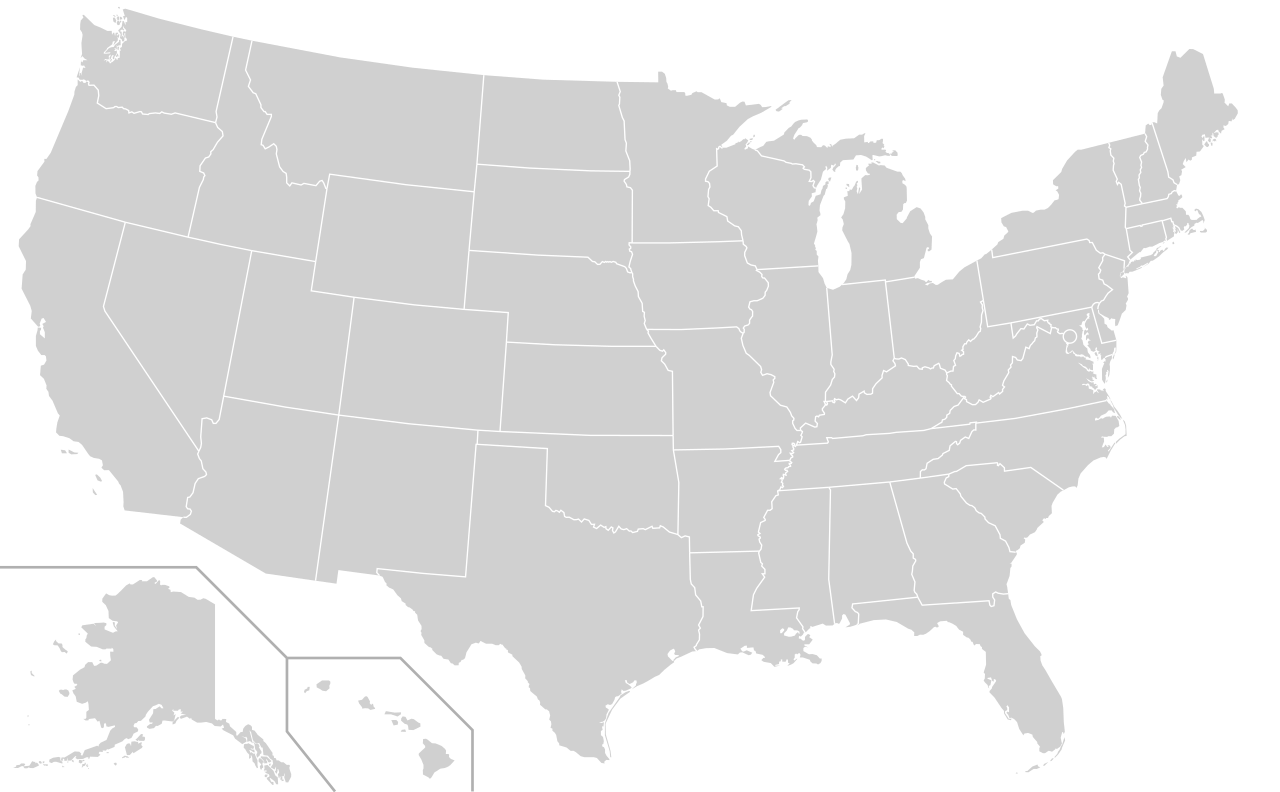
An Index of Clean Slate Laws
Clean slate laws are state-level rules that limit how past criminal records appear to employers, landlords, licensing boards, and the public. Review this state-by-stage guide to Clean Slate laws across the United States
NY Credit Check Ban
A statewide ban prohibits most employers from requesting or using credit history for employment decisions. For a summary of the law, including relevant exceptions and how InfoMart manages them, read our full article.
WA Fair Chance Act
Washington employers with 15+ employees face restrictions on using criminal history in hiring — including a hard wait until after the conditional offer stage, a ban on automatic exclusions, and added requirements before taking adverse action based on a conviction record.
Frequently Asked Compliance Questions
Our aim here is to answer the common compliance questions that you have in the course of handling your screening program. These questions are intended to be a glimpse into the specifics of our industry but should not be considered legal advice. For final answers, we would always encourage you to speak with your legal representation.
General FCRA Basics
What is the Fair Credit Reporting Act (FCRA)?
The Fair Credit Reporting Act is the federal statute that regulates how background checks are obtained and used in the pre-employment screening process.
Put very plainly, the FCRA exists to make sure that everyone is treated fairly when the information contained within a consumer report is used to make a hiring decision. It creates the framework within which all parties must operate and defines how each party is supposed to handle every step of the screening process.
The FCRA is the law that establishes the requirements for disclosure and authorization, permissible purpose, adverse action, and disputes.
When anyone in the supply chain fails to follow the requirements of the FCRA, they will find themselves subject to regulatory action, lawsuits, and financial penalties.
Think of the FCRA as the guardrail of the screening industry.
When does the FCRA apply to employment background checks?
The FCRA applies whenever an end user (in most instances for InfoMart customers, a company looking to hire someone) requests a background check from a third-party company for the purpose of making an employment decision. In other words, when our client (an “end user”) asks us (a “third-party company”) to run a background check on someone (a “consumer”) for an employment decision.
One thing to remember is that an employer’s obligations under the FCRA actually begin before the background check is even ordered. There is a strict obligation to clearly disclose your intent to procure a consumer report about the consumer and obtain their authorization to do so.
Who is considered a “consumer” under the FCRA?
A consumer under the FCRA is anyone who is the subject of a consumer report.
The applicant or employee on which you are running the background check is the consumer. If you interviewed them, made a conditional job offer, and now want to run the background check, that person is the “consumer.” All of the protections under the FCRA are there to protect them.
What is considered a “consumer report” for employment purposes?
A consumer report is any information obtained by a consumer reporting agency for the purpose of providing that information to the employer to be used for making a hiring decision. InfoMart is a consumer reporting agency.
What is the difference between a consumer report and an investigative consumer report?
A consumer report is any background check obtained by a CRA and used for a permissible purpose; when working with InfoMart, the most common permissible purpose is for employment. The background check includes public record information (criminal history searches, motor vehicle reports, federal history, etc.), employment verifications, education verifications, and other services that you think of when you think of a background check.
An investigative consumer report is still a consumer report, but it goes a step further. It includes information obtained through interviews about a person’s character, general reputation, personal characteristics, and mode of living. These can include personal references, interviews, or similar inquiries. Because investigative consumer reports are more subjective and include more personal information, the FCRA requires additional disclosures and provides some additional restrictions around these types of reports.
Who is responsible for FCRA compliance, the employer or the screening company?
Both parties have their own responsibilities with respect to FCRA compliance.
For example, as a screening company, InfoMart is obligated to ensure that we take reasonable procedures to ensure maximum possible accuracy in what we include in our consumer report. That is just one of countless other compliance requirements that we must meet.
As an end user, you will need to have policies and procedures in place regarding how you intend to use the consumer reports you obtain. You must provide disclosure and obtain authorization prior to requesting a consumer report.
These are just some examples of the responsibilities that exist under the FCRA.
What are the risks of FCRA non-compliance?
Failure to comply with the FCRA exposes employers to a number of possible outcomes, including regulatory action from the CFPB and FTC, private lawsuits, and substantial financial penalties.
The FCRA allows individuals to bring claims for non-compliance in both state and federal courts. These claims can be brought as class actions and may seek statutory damages, actual damages, punitive damages, and attorneys’ fees. Even technical violations can result in up to $1,000 in penalties per instance.
These financial penalties are in addition to the reputational harm that can result from ignoring your compliance obligations. Losing the trust of your employees and your customers can be incalculable.
FCRA compliance is not optional. Using background checks is an important part of the hiring process, but using those background checks responsibly is even more important.
Applicant Resources
If your applicants or employees need assistance with their background checks—including requesting copies of reports or submitting disputes—please direct them to our Applicant Advocate website. InfoMart’s Applicant Advocates are trained to work directly with applicants and provide comprehensive, individualized support throughout the process.